
Curiosidades: Em junho, há “Sexta-feira 13” em Montalegre | Curiosities: In June, there’s “Friday the 13th” in Montalegre
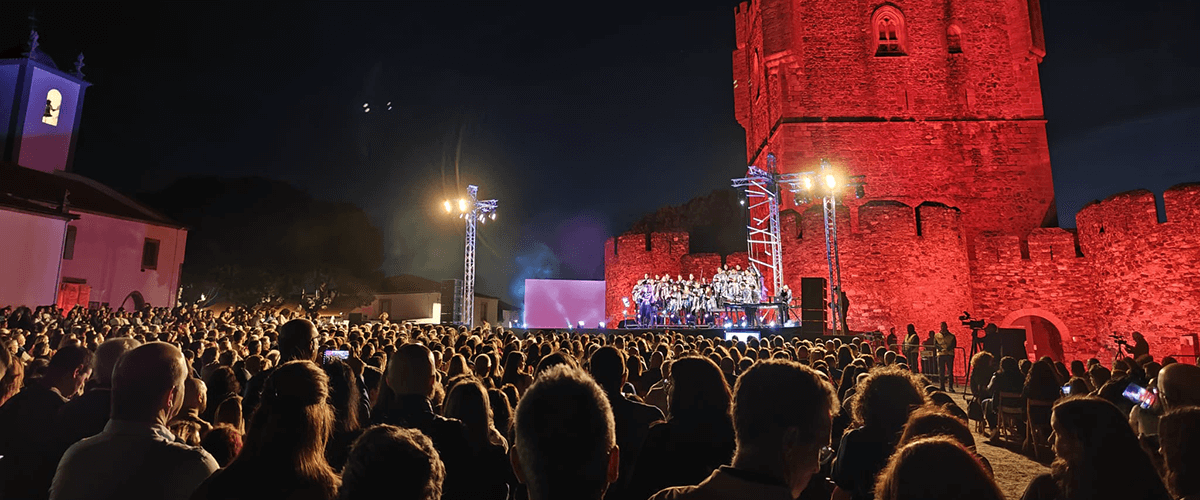
Durante a sexta-feira 13, Montalegre ganha vida com espetáculos de rua, encenações teatrais, rituais simbólicos numa atmosférica única onde se mistura o sagrado e o profano. O Castelo da Vila torna-se o epicentro das celebrações, com fogueiras, música e performances que evocam lendas e mitos antigos.
Conhecida como a “Noite das Bruxas”, esta festividade transforma a vila de Montalegre num ambiente de folguedo mágico com jogos de superstição da antiguidade, atraindo milhares de visitantes. A mistura de elementos do sagrado e do profano, associada à celebração da sexta-feira 13, permitiu um protagonismo único e uma atmosfera de mistério quase surreal, até pela dualidade da cultura popular, onde crenças religiosas e superstição se interligam.
O sagrado que se manifesta na forma de rituais e referências ao cristianismo, como a presença de símbolos religiosos e a ideia de proteção contra forças malignas e o profano onde aparece a teatralidade com encenações de bruxas, demónios e outras figuras do imaginário popular. A tudo se junta a celebração festiva que envolve música, gastronomia e espetáculo.
Na origem da festa está o Padre Fontes, uma figura icónica da região, estudioso da enografia local, que transformou todo o misticismo ancestral nesta bizarra e inesperada festa.
On Friday the 13th, Montalegre comes alive with street shows, theatrical performances and symbolic rituals in a unique atmosphere where the sacred and the profane mix. The town’s castle becomes the epicentre of the celebrations, with bonfires, music and performances that evoke ancient legends and myths.
Known as the “Night of the Witches”, this festival transforms the town of Montalegre into an atmosphere of magical revelry with games of ancient superstition, attracting thousands of visitors. The mixture of sacred and profane elements, associated with the celebration of Friday the 13th, has given it a unique protagonism and an atmosphere of almost surreal mystery, not least because of the duality of popular culture, where religious beliefs and superstition are intertwined.
The sacred, which manifests itself in the form of rituals and references to Christianity, such as the presence of religious symbols and the idea of protection against evil forces, and the profane, where theatricality appears with the staging of witches, demons and other figures from the popular imagination. To all this is added the festive celebration involving music, gastronomy and spectacle. At the origin of the festival is Father Fontes, an iconic figure in the region, a scholar of local oenography, who transformed all the ancestral mysticism into this bizarre and unexpected festival.