Cientistas Que Mudaram O Mundo | Scientists Who Changed the World

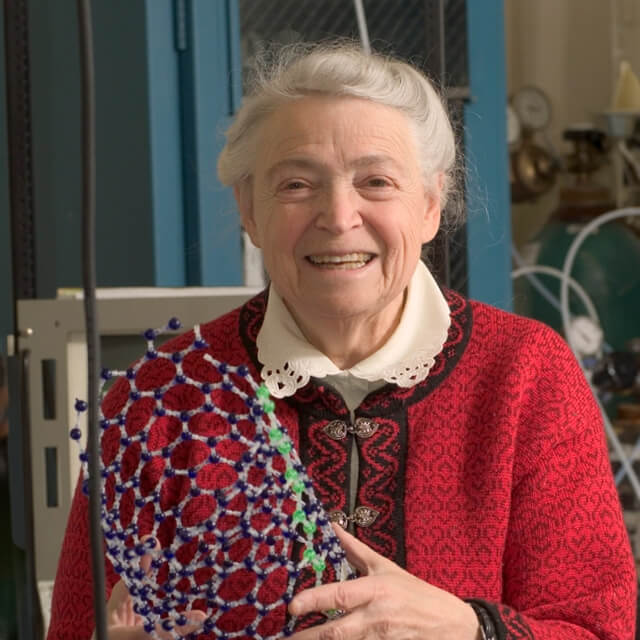
Mildred Dresselhaus: A Rainha dos Materiais e da Nanotecnologia | Mildred Dresselhaus: The Queen of Materials and Nanotechnology
Mildred Dresselhaus, carinhosamente conhecida como a “Rainha dos materiais”, revolucionou o estudo dos semicondutores nanotecnológicas. Seu trabalho aprofundou o entendimento das propriedades das matérias possibilitou avanços significativos na convenção e armazenamento de energias. Ao investigar o comportamento dos elétrodos em materiais nano estruturados. Dresselhaus impulsionou o desenvolvimento de dispositivos de alta eficiência que hoje são aplicados em sistemas renováveis, contribuindo para uma sociedade mais sustentável e eco eficiente. O seu legado é um exemplo de como a paixão e a dedicação podem transformar desafios em inovações tecnológicas significativas.
Mildred Dresselhaus, affectionately known as the ‘Queen of Materials’, revolutionised the study of nanotechnological semiconductors. Her work deepened our understanding of the properties of materials and enabled significant advances in the convention and storage of energy. By investigating the behaviour of electrodes in nano-structured materials. Dresselhaus drove the development of high-efficiency devices that today are applied in renewable systems, contributing to a more sustainable and eco-efficient society. His legacy is an example of how passion and dedication can transform challenges into significant technological innovations.
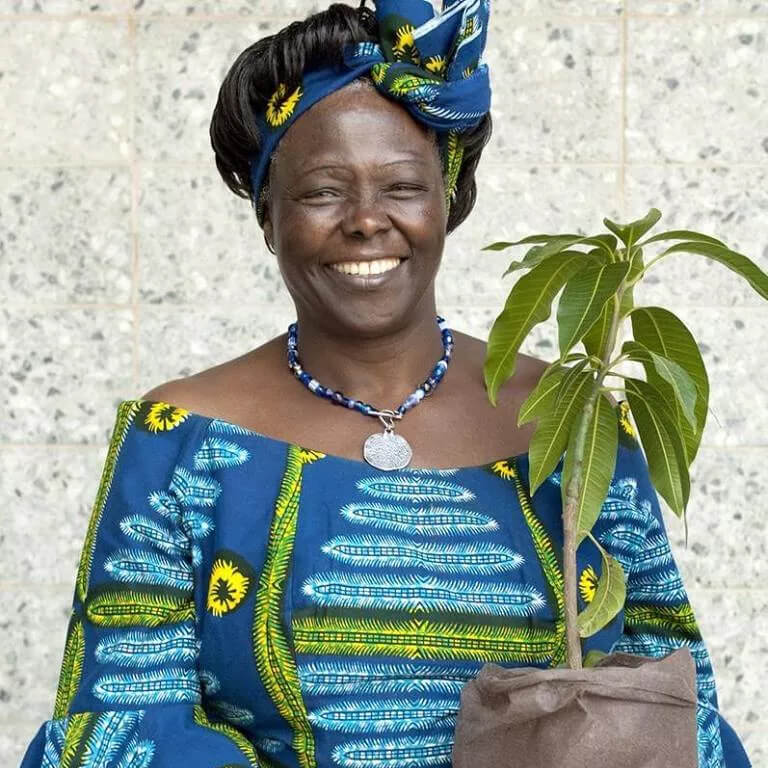
Wangari Maathai: Semeando Sustentabilidade e Energia Renovável | Wangari Maathai: Sowing Sustainability and Renewable Energy
Wangari Maathai foi uma voz poderosa na integração entre meio ambiente, energia renovável e justiça social. Fundadora do Movimento Cinturão Verde, sua iniciativa de plantar milhões de árvores não só combateu a desertificação, mas também estimulou a conscientização sobre a importância de fontes de energia limpas e renováveis. Maathai demostrou de forma inequívoca que a proteção ambiental e o desenvolvimento sustentável caminham lado a lado, fortalecendo a ideia de que a energia do futuro deve ser fruto de uma relação harmoniosa. A sua luta e conquistas ressaltam a importância da perseverança e do amor pelo planeta, inspirando ações que transcendem fronteiras e culturas.
Wangari Maathai was a powerful voice in integrating the environment, renewable energy and social justice. Founder of the Green Belt Movement, her initiative to plant millions of trees not only combated desertification, but also raised awareness of the importance of clean, renewable energy sources. Maathai has demonstrated unequivocally that environmental protection and sustainable development go hand in hand, strengthening the idea that the energy of the future must be the fruit of a harmonious relationship. His struggle and achievements emphasise the importance of perseverance and love for the planet, inspiring action that transcends the world.
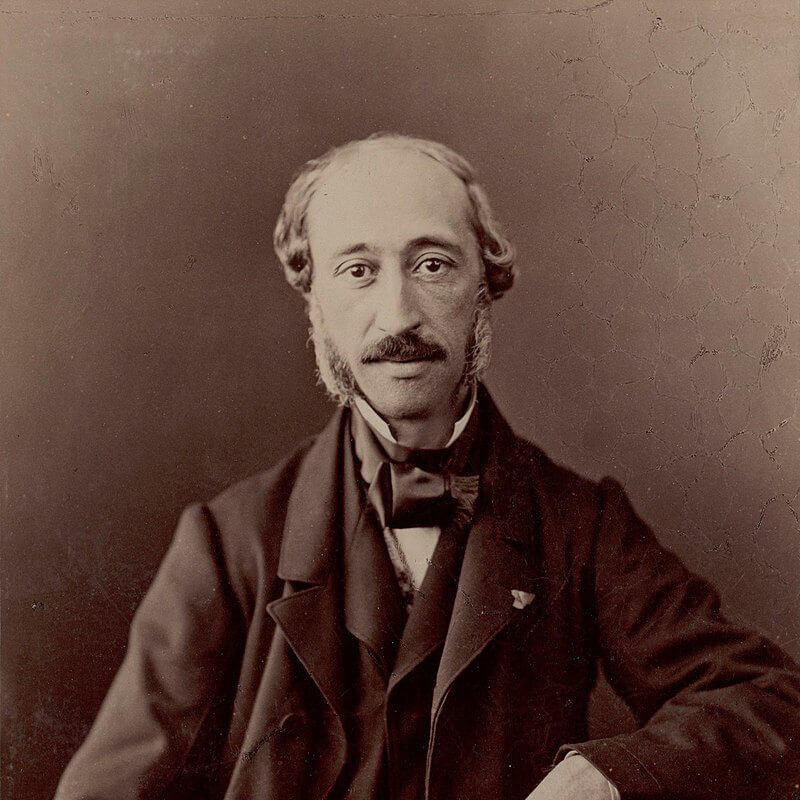
A jornada de Alexandre Edmond Becqueret | The journey of Alexandre Edmond Becqueret
Alexandre nasceu em Paris no ano de 1820 e foi o autor da primeira fotografia do espectro do sol. No século XIX, uma época marcada por transformações científicas e tecnológicas, emergiam nomes que se tornariam fundamentais na história da energia. Entre os esses pioneiros, destaca-se Alexandre Edmond Becqueret, cuja investigação sobre os fenómenos relacionados com a luz e a eletricidade abriu caminho para uma nova era. As suas investigações demonstraram o potencial dos efeitos da radiação sobre materiais, mas também semearam as bases que contribuíram para o desenvolvimento da ciência moderna.
Em 1839, em meio a um ambiente científico fervilhante, Becqueret conduziu experiências que evidenciaram a incrível capacidade da luz em desencadear reações elétricas em certos materiais, fenómeno que viria a ser conhecido como efeito fotoelétrico. Essa descoberta foi um ponto de inflexão, pois demonstrou pela primeira vez que a energia luminosa poderia ser convertida em energia elétrica.
Ao longo das décadas seguintes, as contribuições de Becqueret estimularam uma série de investigações essenciais para que, no seculo XX, se consolidasse o estudo dos semicondutores e a invenção dos dispositivos fotovoltaicos, que hoje transformam diretamente a Luz solar em energia elétrica.
Alexandre was born in Paris in 1820 and was the author of the first photograph of the sun’s spectrum. In the 19th century, a time marked by scientific and technological transformations, names emerged that would become fundamental in the history of energy. Among these pioneers was Alexandre Edmond Becqueret, whose research into phenomena related to light and electricity paved the way for a new era. His research demonstrated the potential effects of radiation on materials but also laid the foundations that contributed to the development of modern science.
In 1839, during a teeming scientific environment, Becqueret conducted experiments that demonstrated the incredible ability of light to trigger electrical reactions in certain materials, a phenomenon that would come to be known as the photoelectric effect. This discovery was a turning point, as it demonstrated for the first time that light energy could be converted into electrical energy.
Over the following decades, Becqueret’s contributions stimulated a series of essential investigations that, in the 20th century, consolidated the study of semiconductors and the invention of photovoltaic devices, which today directly transform sunlight into electrical energy.